
Glavita, a student team from Fulbright University Vietnam, is the only Vietnamese representative to reach the global finals of the Global Sustainability Challenge, taking place in Germany at the end of April 2026, with a solution addressing sand depletion in the Mekong Delta.
The Global Sustainability Challenge, organized by the Stanford Doerr School of Sustainability at Stanford University (USA), seeks innovative solutions to pressing sustainability issues. The Glavita team from Fulbright University Vietnam stood out among more than 3,000 students across 845 teams from leading universities worldwide—including nine teams from Vietnam—to secure a place in the final round in Germany.
At the finals, Glavita will compete alongside teams from Stanford University, Columbia University, Imperial College London, the University of Oxford, Zhejiang University, and other top global institutions, for total prizes of up to USD 35,000. Competing in the “Adaptation & Resilience” category, the team’s project tackles the often-overlooked yet critical sand crisis in the Mekong Delta.
Glavita’s solution transforms recycled glass into sand, offering a new pathway for sustainable construction materials. A key innovation is the team’s dual-mode glass crusher, designed to produce flexible outputs: either glass cullet for remanufacturing or sand for construction use. Initial testing has demonstrated the model’s feasibility and has already attracted interest from companies willing to supply glass waste for further development.
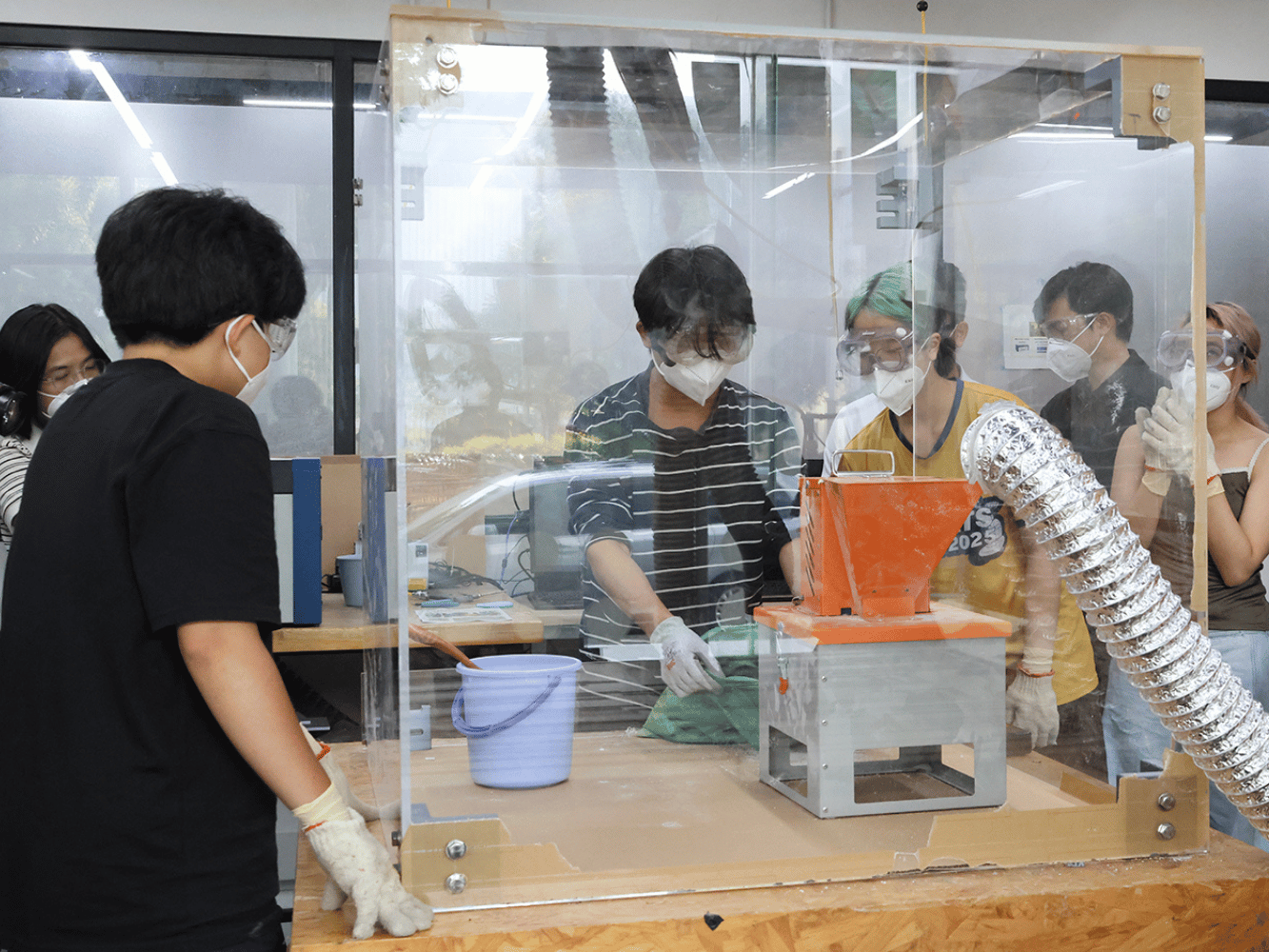
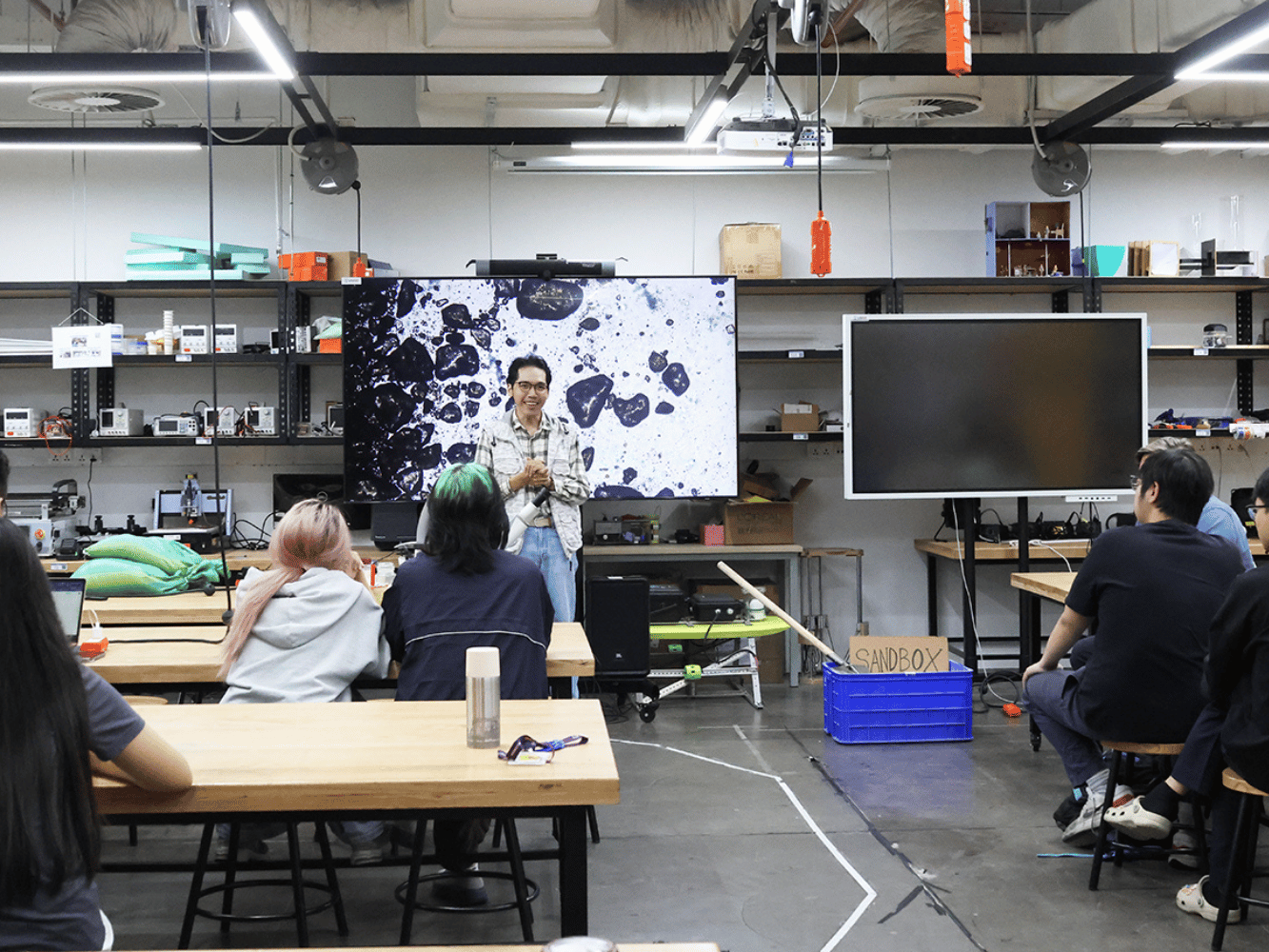
Event guests had hands on experience in turning glass into sand.
What set Glavita apart in reaching the global finals is its interdisciplinary approach, integrating economic, social, technical, and artistic perspectives. Reflecting on their journey, a team representative shared: “We didn’t want to stop at building a technical solution. We wanted to show that ideas developed in the classroom can be brought to life step by step. With support from universities, businesses, and society, students can turn their thinking into tangible solutions for communities.”
According to Dr. Tobias Burgers, a Social Studies faculty member at Fulbright University Vietnam and the team’s advisor, designing courses around real-world challenges creates the conditions for students to develop practical, applicable ideas. “We empower students to take ownership of their learning by identifying the social issues they care about and applying knowledge from multiple disciplines to develop viable solutions,” he said.
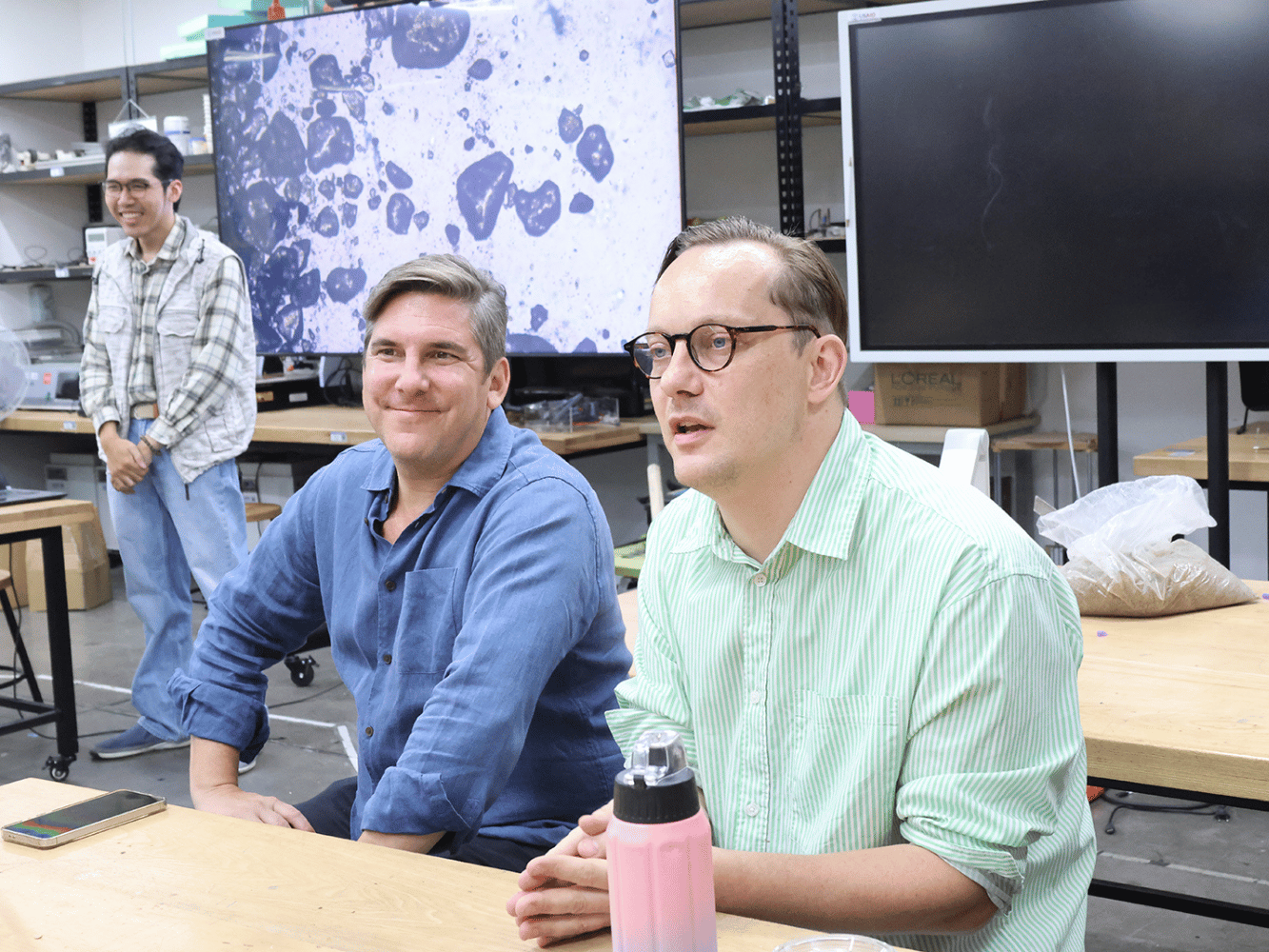
Dr. Tobias Burgers, Faculty member in Social Studies at the send-off ceremony.
At the institutional level, Dr. Đinh Vũ Trang Ngân shared: “This is a model of education for our time—when tools and information are more accessible than ever. In that context, what matters is not how much you know, but how you interpret, select, and use those resources to create value. At Fulbright, this mindset is embedded in how we design the learning experience. We want students not only to absorb knowledge, but to actively explore, question, and develop solutions that serve the community.”
At a recent send-off event, Glavita introduced its model and invited guests to observe and experience the glass recycling process, which includes five steps: collection, sorting, cleaning, crushing, and sieving. Notably, the crushing and sieving stages have been automated to improve operational efficiency. The project is currently gaining support from industry partners who have committed to providing glass waste, enabling testing at a larger scale and paving the way for broader implementation.
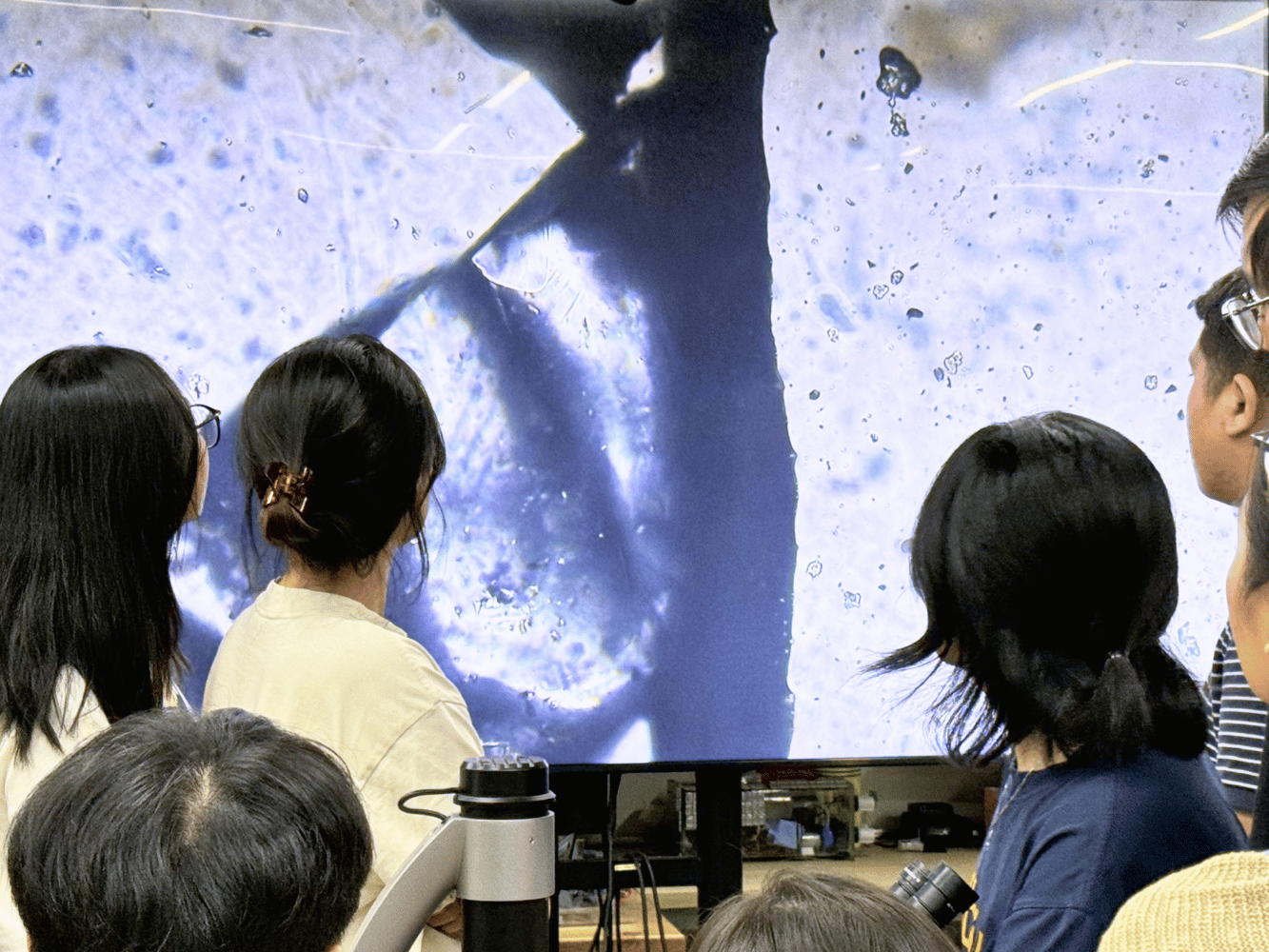
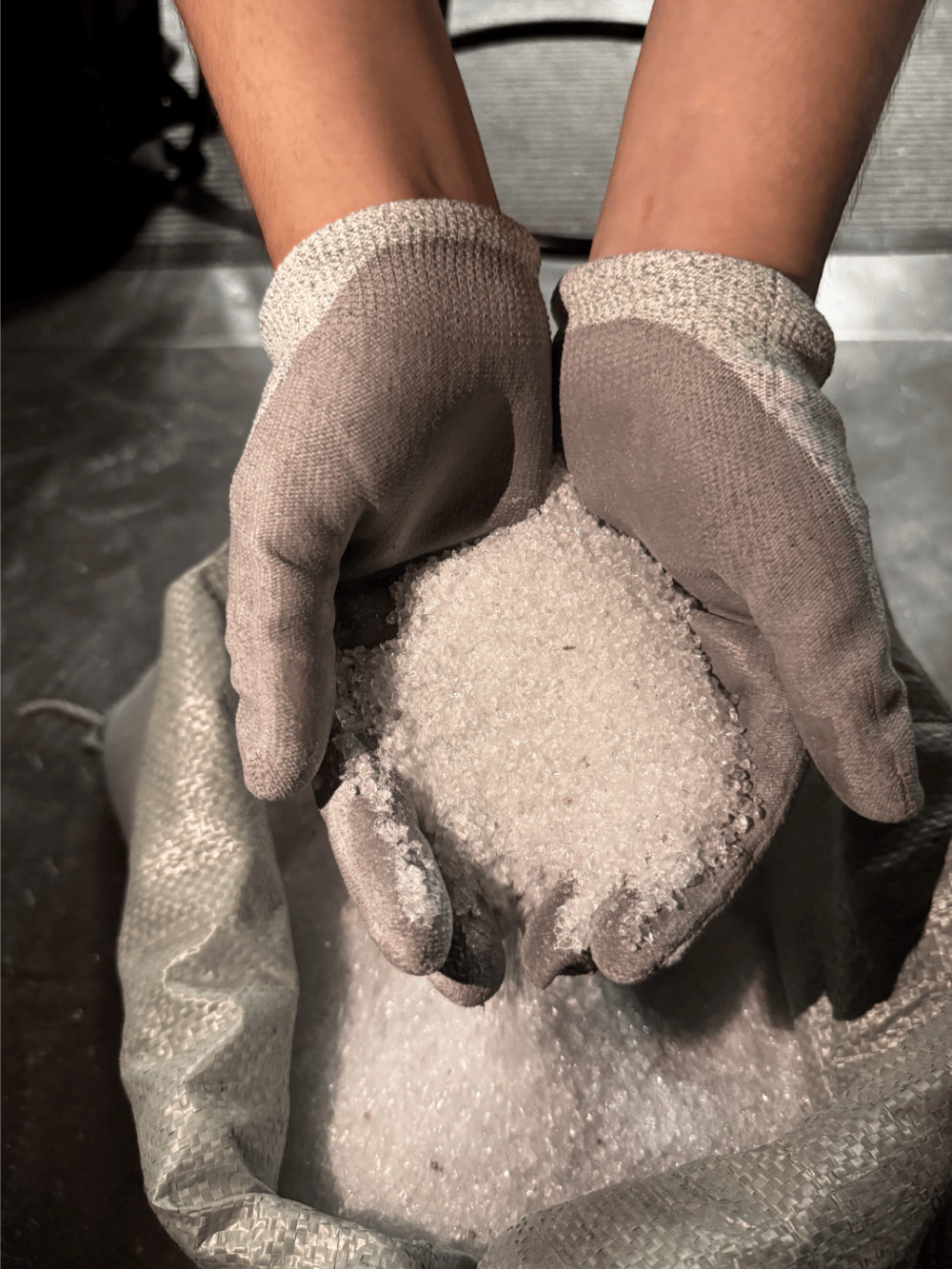
In the next phase, the team aims to further refine the technology by fully automating the process, increasing output capacity, improving product quality, and optimizing costs—moving toward real-world scalability.