
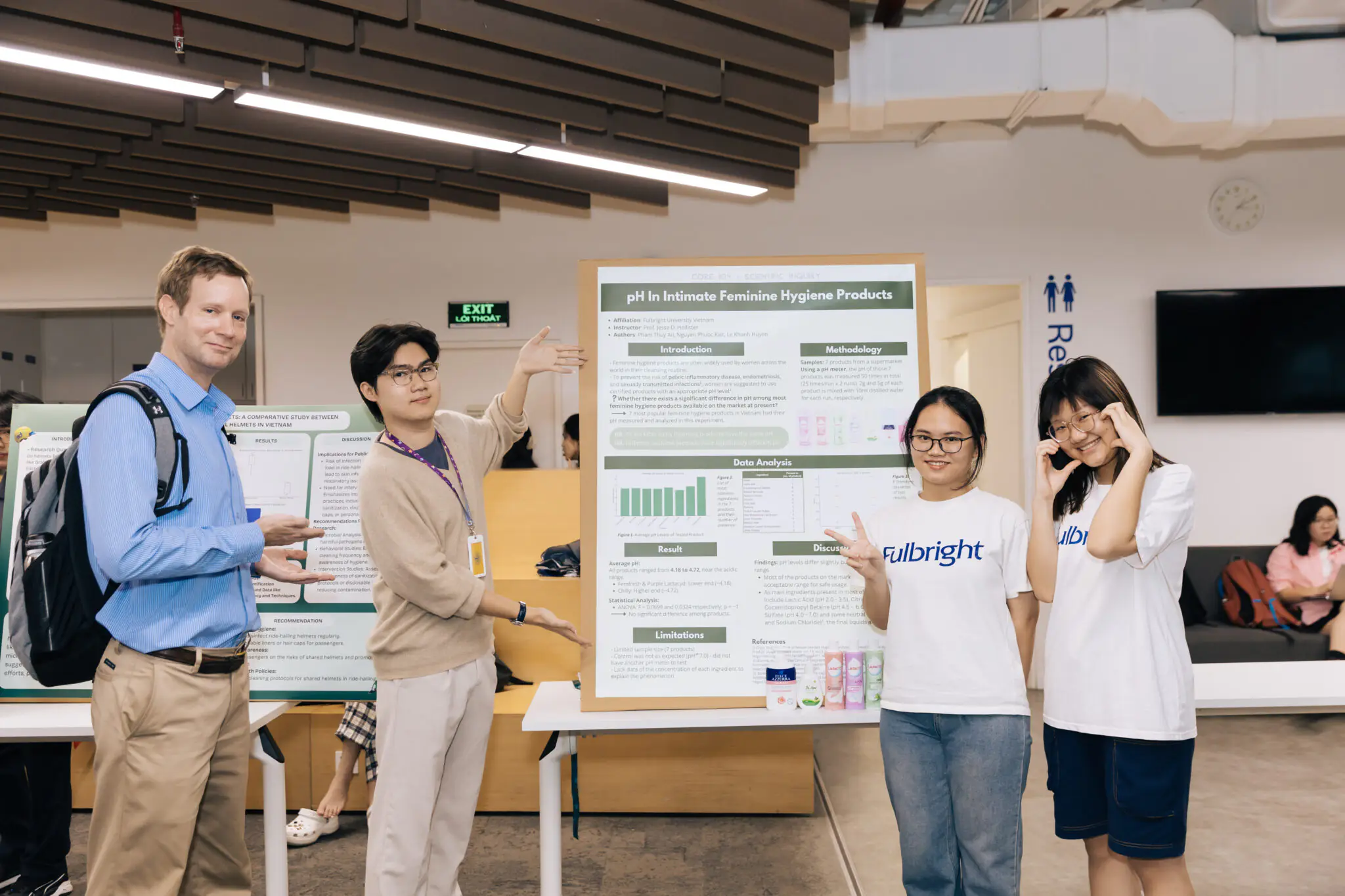
Growing up in a world of constant change—from climate crises and global pandemics to economic downturns and rapid technological advancements—Gen Z (those born between 1997 and 2012) faces unprecedented challenges. They respond to this turbulence with an intense curiosity and a strong desire to make their voices heard. More importantly, they understand that the key to thriving in this ever-changing world is self-awareness. Knowing themselves allows them to make informed choices, optimize their strengths, and carve out their own unique path to success.
Gen Z: Understanding Themselves to Navigate Change Confidently
The transition from high school to university, around the ages of 18-19, is a golden opportunity for Gen Z to explore their identities. However, it is also a time filled with dilemmas—balancing personal aspirations with family expectations and finding a university that offers both meaningful experiences for self-discovery and essential professional development.
At this stage, understanding oneself is crucial not only for choosing a career path but also for shaping personal values, independent thinking, and essential skills to navigate the future. “Knowing oneself” is not just about identifying passions and interests; it also involves emotional intelligence, recognizing strengths and weaknesses, and making well-informed decisions in academics, careers, and life.
Students at Fulbright University Vietnam exemplify how a liberal arts education—one that encourages exploration, trial and error, and continuous learning—creates a solid foundation for long-term personal growth.
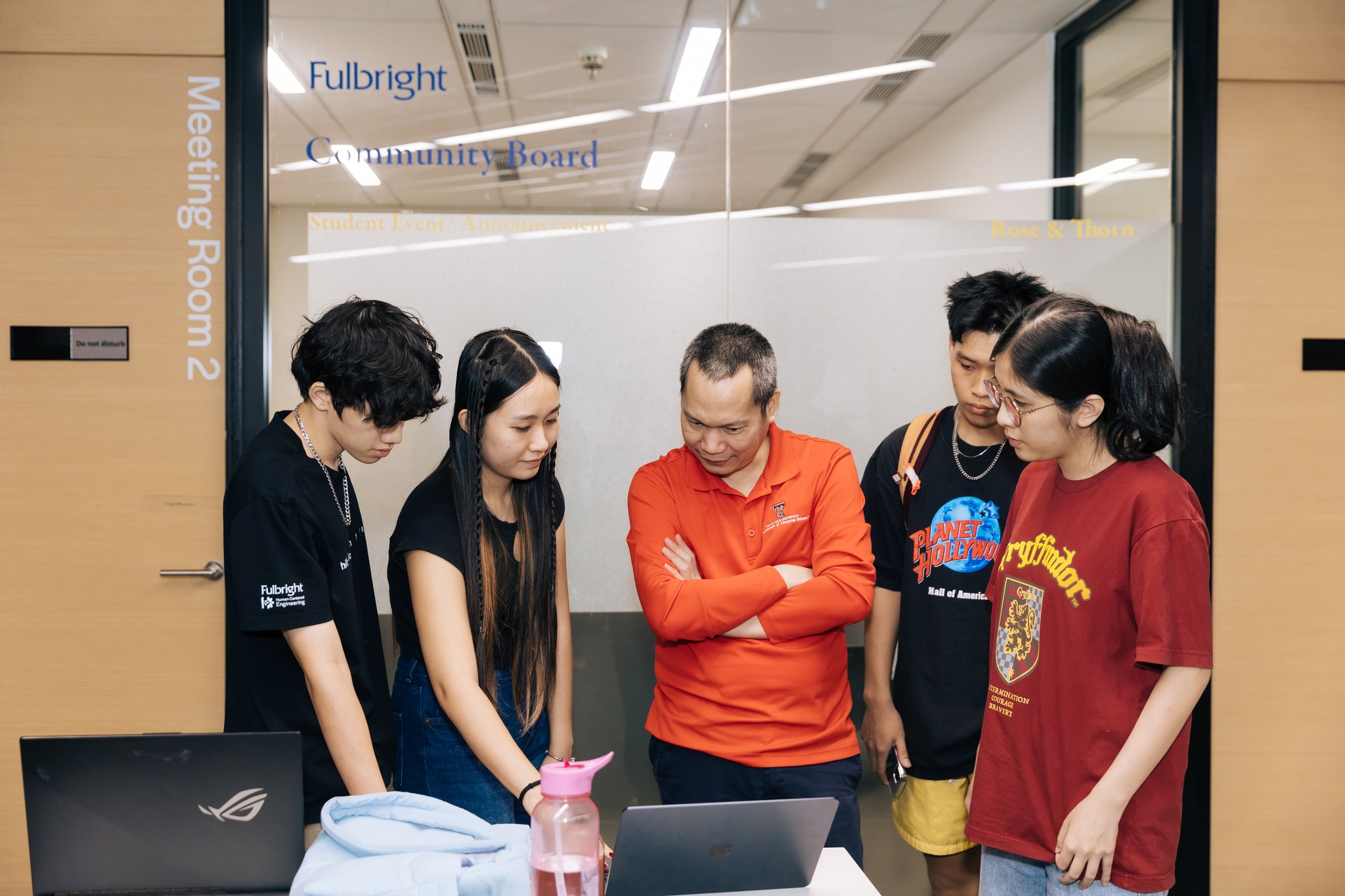
Gen Z believes that choosing the right university helps them prepare for a solid future.
How Fulbright Helps Students Discover Themselves
The journey of self-exploration at Fulbright University Vietnam begins even before enrollment, as students prepare their application portfolios. The university’s liberal arts model emphasizes holistic development, valuing qualities such as creativity, a willingness to take on challenges, intellectual curiosity, and empathy—core principles of American liberal arts education. Through their applications, students have the freedom to showcase their potential and personal growth through experiences, extracurricular activities, and individual projects.
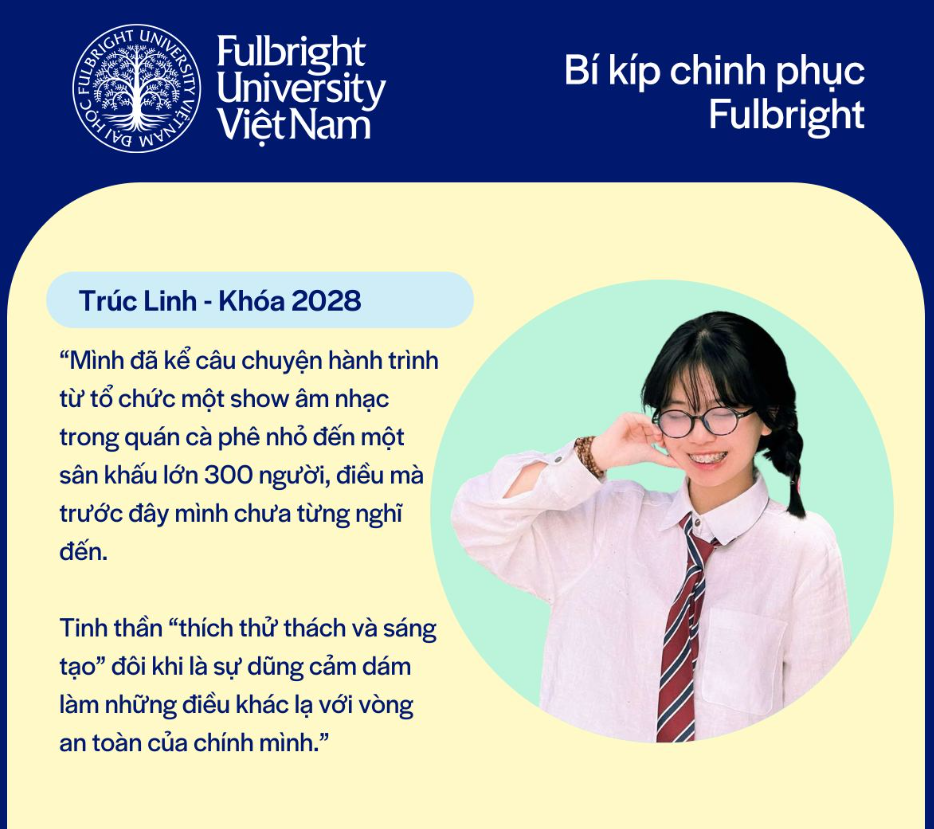
Applying to Fulbright helped Trúc Linh recognize her courage and build confidence in herself.
Trúc Linh, a student from the Class of 2028, initially questioned whether she possessed the qualities of “creativity and a willingness to take on challenges,” assuming these traits were exclusive to young leaders. However, as she reflected on her journey—from organizing a small music show at a café to curating a full-scale concert for 300 people—she realized that stepping beyond her comfort zone defined her courage. “Preparing my application helped me understand the key decisions that led me to where I am today. From there, I gained confidence in myself, realizing that fear is the only thing stopping us from trying new things,” Linh shared.
Similarly, Quốc Tới, a biology major with a deep love for the arts, impressed Fulbright’s admissions committee with his multidisciplinary application, highlighting diverse experiences in health sciences, architecture, filmmaking, poetry, and teaching. “People often say an application should be ‘cohesive,’ but sometimes that limits our curiosity. To me, ‘cohesion’ is not about having identical activities but about fully representing who I am. I want to bring an unbounded spirit of exploration, a curious heart, and an insatiable thirst for knowledge to Fulbright,” he said.
The Journey of Personal Growth at Fulbright
At Fulbright University Vietnam, students are not confined to a single discipline. The interdisciplinary approach—bridging science, humanities, and the arts—provides students with the freedom to explore and discover their true passions.
In their first two years, students engage in the Core Curriculum, including Design and Systems Thinking, Global Humanities, Modern Vietnamese and, Quantitative Reasoning for a Digital Age, and Scientific Inquiry. These courses not only impart essential knowledge but also cultivate critical thinking and analytical skills.
Fulbright students explore various disciplines to discover their true passions
After completing foundational courses, students take Exploratory courses—introductory subjects spanning four broad disciplines: Social Sciences, Sciences & Engineering, Mathematics & Computing, and Arts & Humanities. This exposure allows them to experience diverse ways of thinking and confidently select their academic paths.
These foundational and exploratory courses equip students with not just subject-matter expertise but also interdisciplinary thinking. The program fosters a comprehensive understanding of the connections between fields, while also deepening the application of their chosen disciplines—laying a strong foundation for creativity and problem-solving. Most importantly, students graduate with a versatile skill set that enables them to navigate the rapidly evolving job market and global landscape.
Beyond academics, Fulbright students gain early hands-on experiences, applying knowledge to real-world problems and exploring their potential.
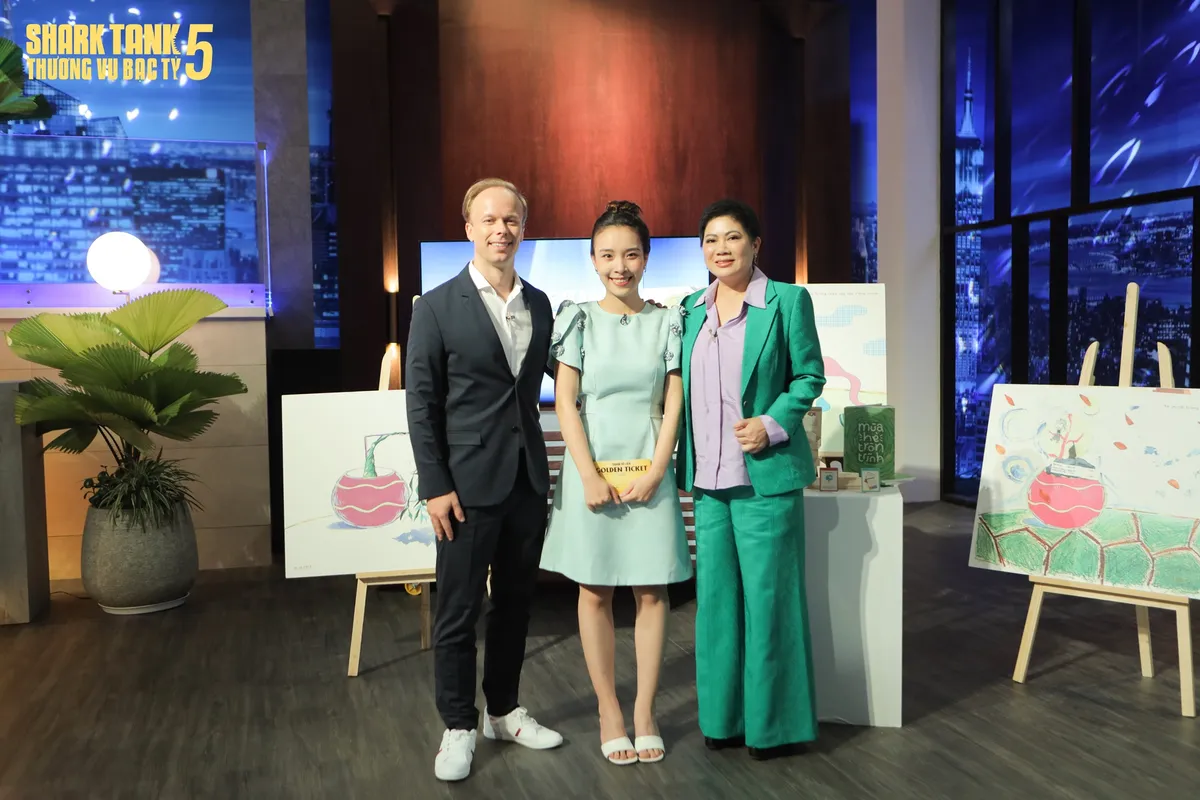
Nhật Tân, a Fulbright graduate, secured a 2 billion VND investment on Shark Tank while still in university.
Nhật Tân, a former Psychology student, founded the Seesaw mental wellness startup while still in university. Encouraged by Fulbright’s experimental learning culture, Tân confidently pitched his idea on Shark Tank Vietnam, securing a 2 billion VND investment from two investors. A great university does more than provide education—it helps students realize their dreams and prepares them for greater challenges in life.
Are You Ready to Discover Yourself?
In a world of constant change, self-awareness is the key to unlocking your full potential and building resilience. With the support of a transformative educational environment, you can develop a deep understanding of yourself and unlock endless possibilities for the future.